


LED display screens and LCD display screens are both familiar to users and are commonly used in the production of televisions, mobile phones, and other products. In this issue, we will introduce the differences between LCD display screens and LED display screens.

1、 The principle of LCD and LED
LCD stands for Liquid Crystal Display.Its structure mainly consists of placing liquid crystal between two parallel glass pieces. There are many thin wires running vertically and horizontally between two parallel pieces of glass. By powering on or off, the rod-shaped crystal molecules are controlled to change direction, refract light, and produce images.
LED stands for Light Emitting Diode.Its working principle is that in the PN junction of some semiconductor materials, when injected minority carriers combine with majority carriers, excess energy is released in the form of light, directly converting electrical energy into light energy; When a reverse voltage is applied to the PN junction, it is difficult to inject minority carriers, so it does not emit light. This type of diode made using the principle of injected electroluminescence is called a light-emitting diode, commonly known as LED.
2、 The difference between LCD and LED
The biggest difference between LCD and LED lies in the application of two different display technologiesLCD is a display screen composed of liquid crystals, while LED is a display screen composed of light-emitting diodes. Its main difference also comes from this analysis.
1. Brightness difference
The brightness of LED is between 3500-5500 cd/m2, and the brightness of LCD is between 250-1500 cd/m2. LCD screens have low brightness and are not suitable for outdoor or indoor use with strong light. LED displays are not limited by the strength of fiber optics.
2. Difference in power consumption
The power per square meter of a conventional LED display screen is about 450W, and the power per square meter of a conventional LCD screen is about 350W. The power consumption per square meter of a normal LED display screen is greater than that of an LCD screen. In specific locations, the brightness of LED displays can also be lowered to reduce power consumption.
3. Difference in color reproduction degree
LED emits positive light through the chip, with high color saturation and restoration; LCD emits light from the back of the liquid crystal, which results in average color reproduction. Additionally, each liquid crystal cell may have a certain color difference, leading to an overall average color.
4. Image quality difference
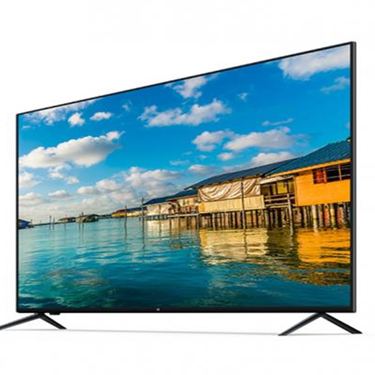
Up close viewing, such as viewing screens within 1 meter, LCD screens have delicate picture quality and high clarity; The LED display screen has a noticeable granular effect on the light beads, but the clarity is average. However, when viewed from a normal visual distance of 2 meters, there is not much difference in image quality between the two. Of course, the clarity of the image quality is also related to the model of the LED display screen, and the image quality is also very clear when viewed up close with a small pitch LED display screen.
5. Functional differences
In terms of functionality, the two only serve as display functions and have no essential difference. Both have the ability to play videos, images, PPTs, and other materials.
The above is an introduction to the differences between LED display screens and LCD display screens. As for which one is better, it depends on the main purpose and usage environment. Whether it is an LED screen or an LCD screen, there are many differences between the two types of screens. However, in reality, the main purpose is display, and the application field is measured according to the needs.