


Apple admits screen burn-in issue with iPhone 15. Recently, Apple's iPhone 15 Pro series has been embroiled in a "burn-in scandal".
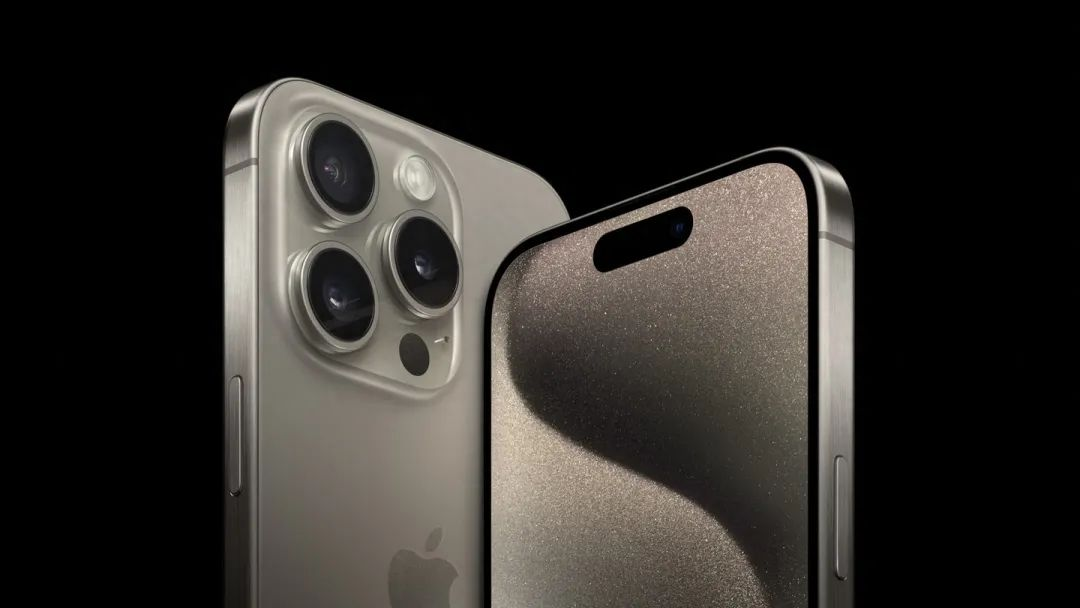
Since the iPhone X, Apple has adopted OLED displays in its mobile phone product line, and since the iPhone 12 series, LCD displays have been completely phased out. Although the application of OLED enables iPhone to achieve higher brightness, thinner body, and more system level gameplay, the controversy over its screen lifespan has been ongoing.
Some users are starting to notice issues with this phone. The most serious issue among them is the "burn-in" problem.
Burn screen "refers to the phenomenon where the residual image of an OLED screen is clearly visible on the screen after a period of use. This phenomenon usually only occurs on devices that have been in use for several years, but surprisingly, the issue this time appeared on devices such as the recently launched iPhone 15 Pro series.
Regarding the issue of screen burn-in, some media outlets have provided different opinions. They believe that the unique protection mechanism of iOS may be the cause of image ghosting, which is not related to physical damage or aging. However, this viewpoint has not been widely accepted. Consumers are more concerned whether these issues are due to quality problems with the screen itself or algorithm flaws in iOS.
Regarding screen burn-in:
1. Burnout refers to the phenomenon of image residue caused by the aging of OLED screens. This is not a technical issue with mobile phone brands, but a defect in OLED screens.
OLED screens have the characteristic of pixel self illumination and do not require a backlight source. Due to its high contrast, low energy consumption, and good display effect, it is widely used in mid to high end mobile phones.
However, the drawbacks of OLED screens are also very obvious. It has a high price, short lifespan, and is prone to screen burn-in.
For LCD screens, the risk of screen burn-in can be ignored.
How should users choose between OLED screens and LCD screens?
If the screen time is relatively long (such as reading or playing games), or if cost-effectiveness is important, a phone with an LCD screen is a more suitable choice.
If you want your phone screen to have the best and most perfect performance, and have high requirements for the phone's feel, battery life, and other aspects, OLED screens are still the top screens in the mobile phone field. In the same product series, phones with OLED screens generally have thinner body thickness and narrower screen borders.