


A few days ago, a fan of an advertising machine left a message asking: How many watts is your 10.1-inch screen?
My response: It depends on how bright, what resolution, and what backlight scheme you use.
He replied, 'Isn't it all LCD screens? How much difference can we make?'?
Not really. Similarly, for 10.1-inch modules, some can run at 5 watts, while others require 15 watts. Similarly, with a 32 inch screen, some advertising machines require a 30 watt screen, while others require a high brightness screen of over 100 watts. What's the difference?
Did you take power consumption seriously when selecting the screen.

And these wattages depend on how you use them. Brighten it up a bit, it consumes more power. Whitening the screen consumes more power. The same screen has different wattage depending on its usage.
Today's article will explain the power consumption of LCD screens in detail. Screen makers and screen selectors should all take a look. The power consumption is slightly different, but the electricity cost is much different.
10.1 to 32 inches, laptops, monitors, advertising machines, terminal devices, which category do you belong to and match them.
1、 First, figure out where the electricity on the LCD screen is being used
The LCD itself does not emit light. The image you see is that the backlight lights up first, and the LCD controls how much light passes through like a shutter.
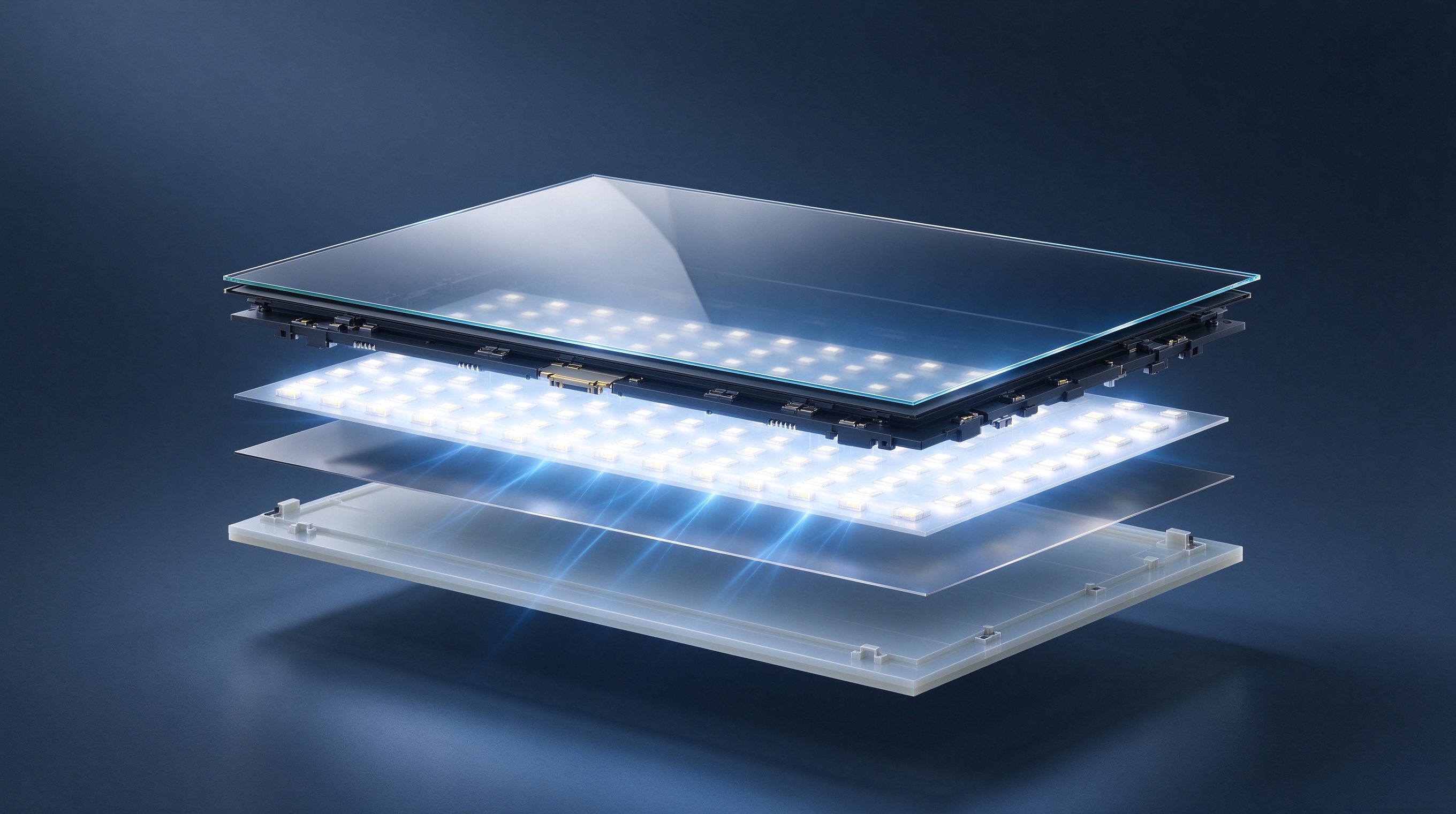
So the LCD screen consumes power, with the majority in the backlight.
The backlight is the layer of LED lights behind the screen. The more and brighter the lights, the greater the power consumption. This part can account for more than 70% of the entire screen power consumption, and some high brightness advertising machine screens can account for up to 80%.
Where did the remaining electricity go? Driver IC, logic board (T-CON), power conversion circuit, interface chip, and standby circuit. These usually account for two to three percent in total.
The laptop screen, due to its small size and low brightness, has a higher proportion of driver components, but the backlight is still the largest part.
One sentence: To reduce power consumption, first turn on the backlight.
2、 6 key variables that determine power consumption
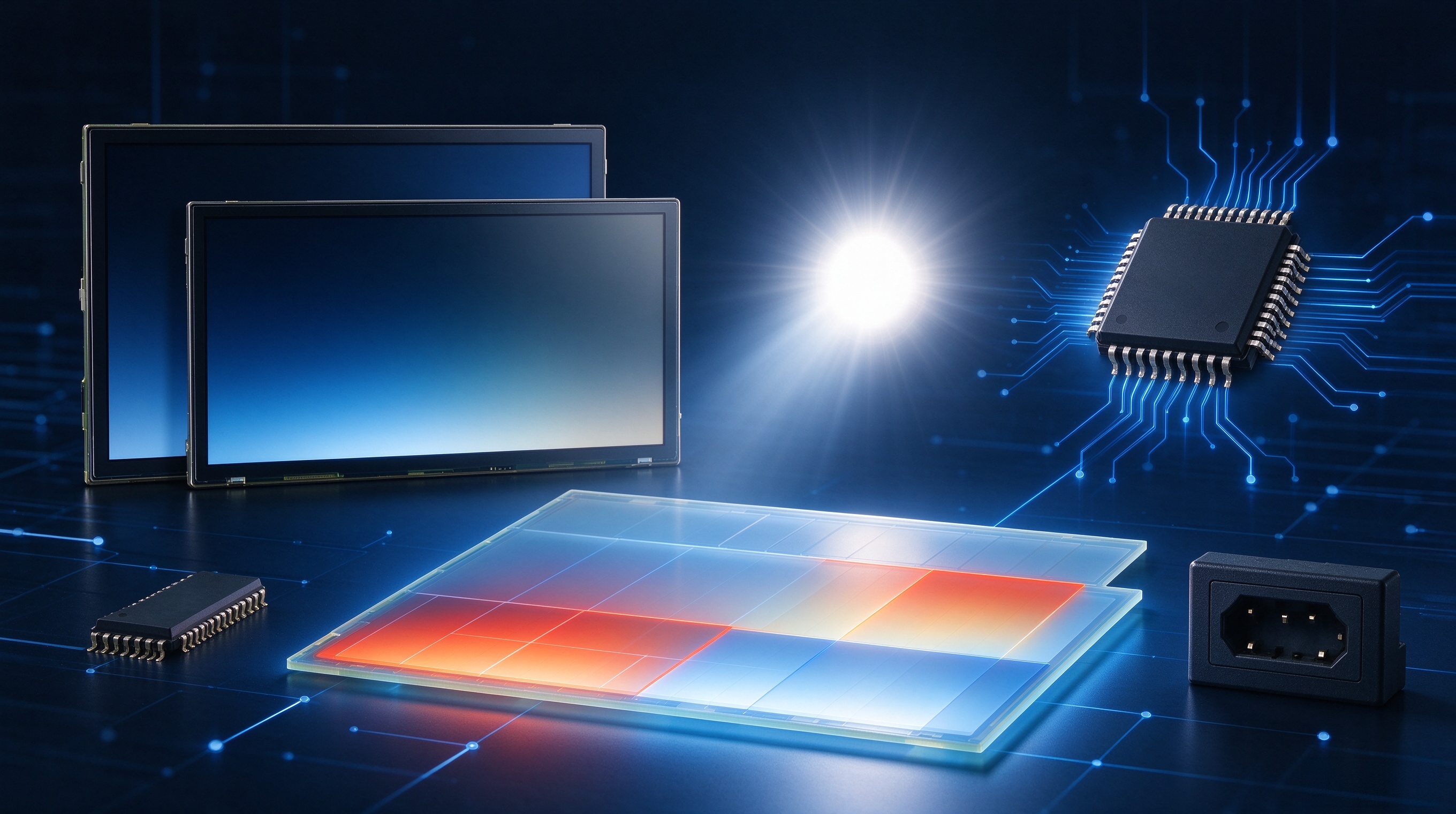
Firstly, the size. 10.1 inches and 32 inches have a tenfold difference in backlight area. The larger the area, the more LED lights are needed to ensure the same brightness, or a single light needs to be turned on brighter. Power consumption naturally increases.
Secondly, brightness. This is the main switch for power consumption. The power consumption may differ by half between 200 nits and 500 nits.
There is test data: the brightness increased from 100 nits to 300 nits, and the power consumption of LED backlight LCD increased by about 38%.
Why do advertising machines need to be highlighted? Because you need to see clearly outdoors during the day. But the highlight was exchanged for electricity.
Thirdly, resolution and refresh rate. 4K drivers consume more power than 1080P drivers, and 120Hz drivers consume more power than 60Hz drivers. But this part accounts for a small proportion of the overall screen power consumption, with the backlight being the main component. Don't lower the resolution just to save power, choose the right brightness scheme first.
Fourth, backlight scheme. Side entry or straight down type, high efficiency of light guide plate, useless use of brightness enhancement film, number of LEDs and light efficiency level. With the same brightness, the power consumption can differ by 20% to 30% between good and poor solutions.
Fifth, dimming method. Maintaining high brightness consistently consumes the most electricity. Automatic dimming with ambient light sensing, capable of reducing power consumption by approximately 50% during daytime and nighttime darkness.
Local Dimming is the process of dividing the backlight into many small pieces and independently controlling brightness and darkness. In areas with dark images, the backlight can be turned off or dimmed directly, resulting in significant power savings when placing dark content on the advertising machine.
Sixth, interface and power supply scheme. The power consumption of screen interfaces such as LVDS, eDP, and MIPI varies depending on the interface.
Whether the power conversion efficiency is high or not, and whether the standby circuit is well done, these details can also differ by a few watts.
3、 Four types of terminals, four selection logics
From 10.1 to 32 inches, with the same screen, the selection method is completely different when placed on different devices. Below are four types of terminals.
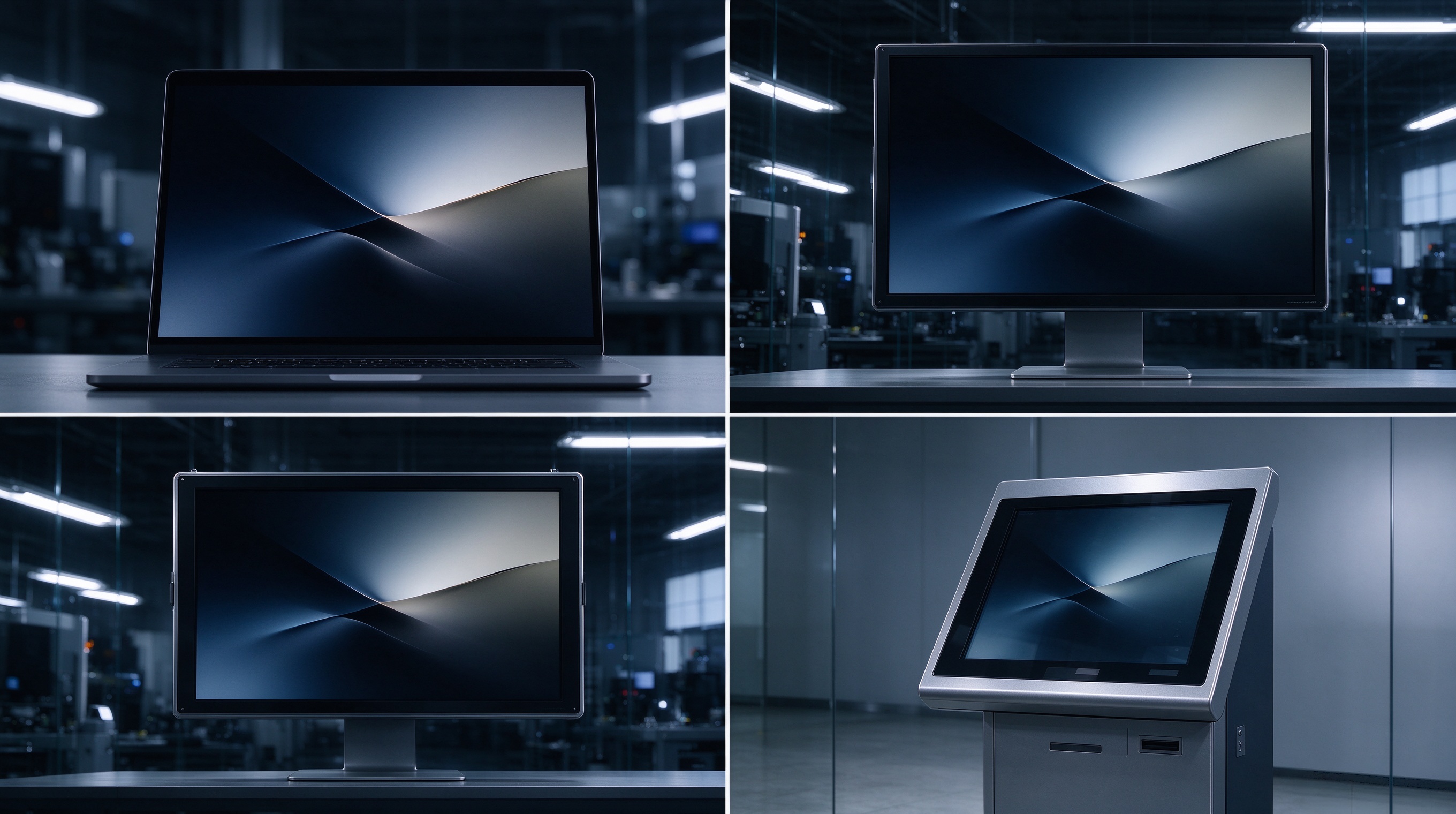
For those who make laptop screens: first calculate the battery life and heat generation. The typical power consumption of a laptop screen is 2 to 5 watts, with a small size and moderate brightness.
When selecting modules, prioritize low-power backlight solutions and driver IC efficiency.
The standby power consumption should be minimized because most of the time the laptop is used in standby or low brightness mode. If the screen consumes 1 watt more, the battery life will be reduced.
For desktop monitors: first check energy efficiency certification and daily power saving. The typical power consumption of a 27 inch office monitor is 20 to 30 watts, and high refresh rate models can reach over 50 watts.
Exporting to Europe and America requires Energy Star ErP, The power consumption in the open mode, sleep mode, and standby mode of the module must all meet the standards.
When selecting a screen, ask the module factory to provide measured power consumption data, don't just look at the typical values on the specification sheet.
For advertising machines: first calculate the electricity bill and heat dissipation. The advertising machine is turned on 24/7, 8760 hours a year. The power consumption difference is 10 watts, and the annual electricity bill difference is 87.6 kWh. One hundred machines, with a yearly difference of 8760 kWh of electricity.
This doesn't even include the cost of heat dissipation. It has high power consumption and generates a lot of heat, so the fan, heat sink, and power supply all need to be increased. Highlighting is essential, but it does not equate to high power consumption.
High efficiency LED, local dimming, and automatic dimming can all reduce power consumption while ensuring brightness.
For terminal devices: first look at low standby and stability. Self service machines, industrial control computers, medical terminals, query machines, you care about low standby and stability.
Many terminal devices display static images most of the time, but the screen cannot be turned off. The standby power consumption is 0.5 watts and 1.5 watts, with a difference of 8.76 kWh per year.
Wide voltage input, low-power drive, intelligent sleep mode, these solutions can help you reduce the overall energy consumption of the machine.
4、 Low power LCD module, go in these 5 directions
High efficiency LED backlight. LEDs with the same brightness and high light efficiency use less electricity. Choosing the number of LEDs and their light efficiency level is a fundamental skill for module manufacturers.
Optimization of optical film and light guide plate. Running in the module causes losses. The design of the brightness enhancement film, diffusion film, and light guide plate is good. With the same backlight brightness, the screen brightness can be higher, or with the same screen brightness, the backlight can be lowered.
Local Dimming partition dimming. Divide the backlight into multiple areas and turn off or dim the dark areas. Advertising machines display dark screens and terminal devices display dark interfaces, resulting in significant power-saving effects.
Automatic dimming with ambient light sensing. The screen brightness follows the environment. During daylight hours and darkness at night, power consumption can be reduced by about 50%. This solution is particularly practical for advertising machines and terminal devices.
Low power driver and standby management. T-CON、 Drive IC, power conversion, choose low-power solution. Prepare the standby circuit and turn it off when not in use to prevent the screen from secretly consuming power.
5、 How to read power consumption data to avoid being deceived
The specification sheet states 20 watts, but when you receive it, it may be 25 watts or 18 watts. Why? The testing conditions are different.
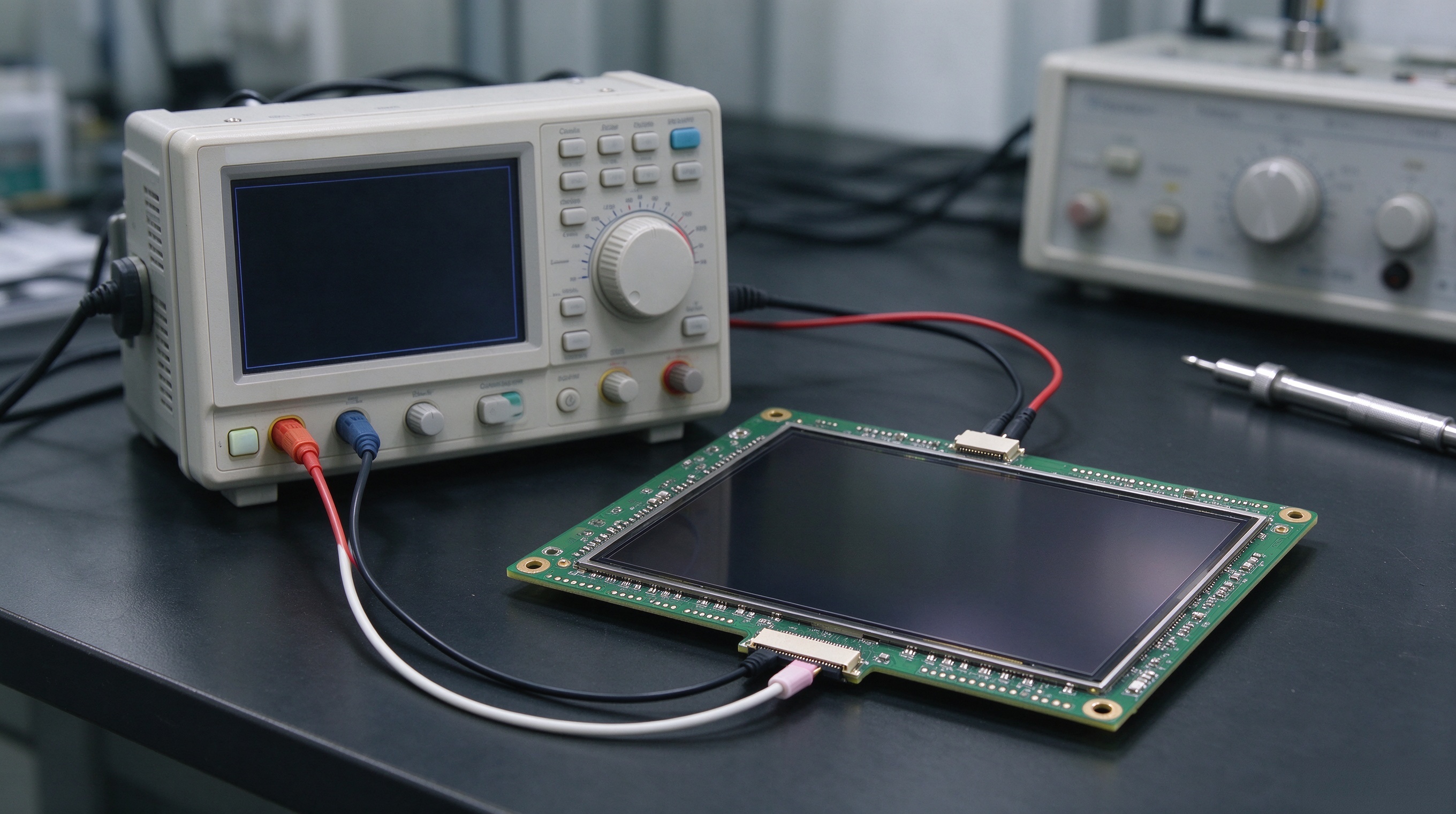
Looking at the power consumption data, let's first ask four questions: What is the brightness in nits? White screen or checkerboard pattern? Typical value or maximum value? Standby or on?
Calculate another account: annual energy consumption kWh=power x daily hours x 365 ÷ 1000. One watt generates approximately 8.76 kWh of electricity annually. 10 watts generates approximately 87.6 kWh of electricity annually. Multiple devices and years of operation have led to a gap in electricity bills.
Energy efficiency certification also needs to be considered. Energy Star ErP、 Energy efficiency levels, these certifications have power consumption limits for on mode, sleep mode, and standby mode. When selecting, it is important to clarify whether the module can be used in conjunction with the entire machine for certification.
We produce 10.1-32-inch LCD modules that cover laptops, displays, advertising machines, and terminal devices.
Over the years, the deepest realization is that what customers want is not the lowest power consumption, but finding a balance between brightness, lifespan, cost, and electricity bills.
So we do three things:
Firstly, select the backlight scheme according to the scene. Laptop screens prioritize low power consumption, advertising screens prioritize high light efficiency and brightness, and terminal screens prioritize low standby and stability. Same size, different scenarios, different solutions.
Secondly, provide measured power consumption data. The power consumption curve, standby power consumption, and annual energy consumption
estimation under different brightness levels can be used as a basis for whole machine design, energy efficiency certification, and electricity cost calculation.
Thirdly, cooperate with dimming and power management. Environmental light sensing Local Dimming、 Low standby circuit, what does the customer need for the whole machine, we will cooperate with the module end to make it.
There is no standard answer to how much electricity a LCD screen consumes. But by choosing the right module, you can save not only electricity costs, but also cooling costs, power costs, certification costs, and customer reputation after long-term use.
If you are selecting a screen, please send us the size, brightness, resolution, interface, and usage scenario, and we will help you calculate the power consumption account. After calculating, you can decide which screen to use.
Choosing the right LCD display module for power saving is much easier than modifying the circuit later on.
#LCD Screen # LCD Display Screen # LCD Display Module # Low Power Consumption # Energy Efficiency Certification # Electricity Charges # Battery Life