


Last month, I had dinner with a friend who makes monitors. He asked, 'Is Micro LED really okay?'? I've been shouting for several years, but I haven't seen anyone who can really mass produce it.
Let's tidy it up today.
1、 What is the power of Micro LED?
First, let's talk about what you are familiar with. LCD is like a flashlight shining on glass paper, with the backlight constantly on, blocking the light by flipping the LCD back and forth.
OLED, Each pixel emits its own light and turns off when not in use, so black is truly black.
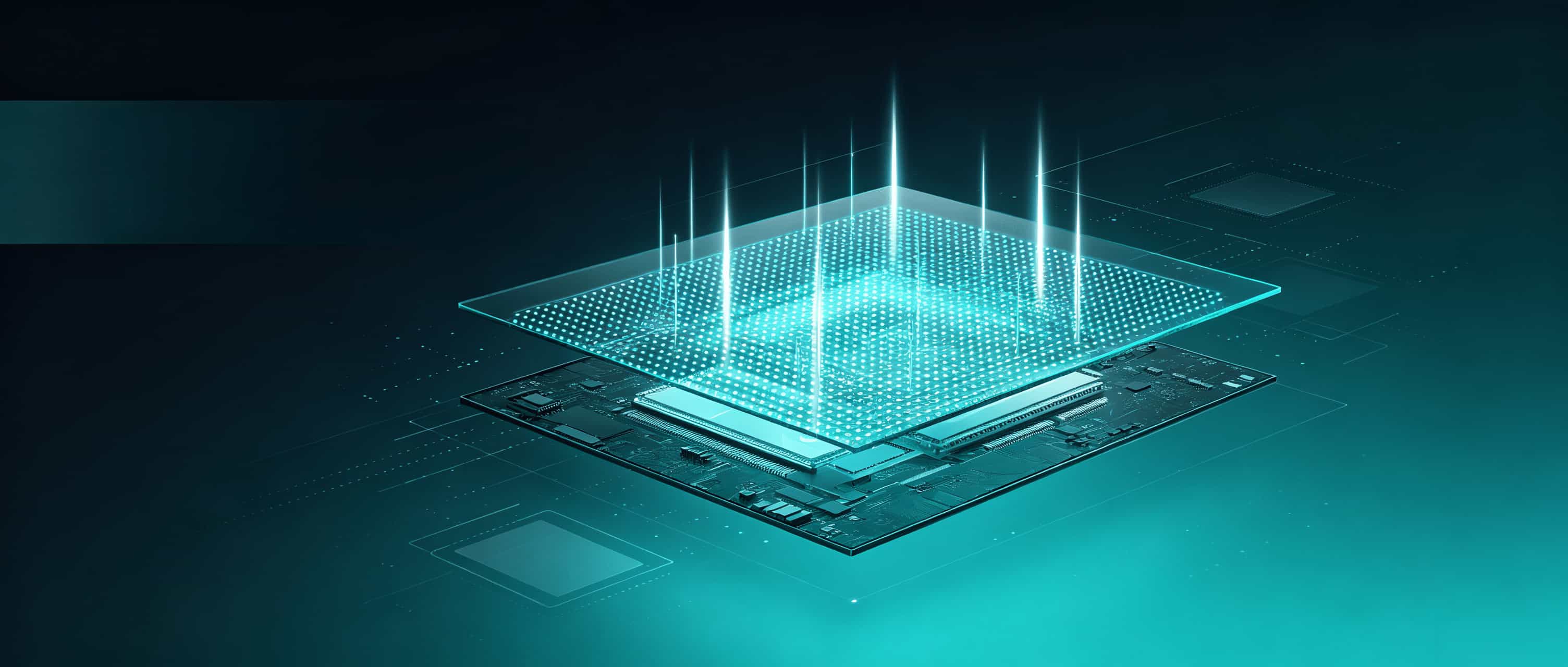
What about Micro LED? Each pixel is an independent LED bead that emits light and controls itself, so small that you can't see it.
The benefits are very direct: the brightness can reach over 1500 nits, and it can still be seen clearly under sunlight.The contrast is one million to one, completely black. Low power consumption and long lifespan. And it can be seamlessly spliced, splicing as much as you want, with seams so fine that they are invisible to the naked eye.
Sounds perfect, right? Why hasn't it become popular in the market yet?The difficulty lies in the massive transfer.
2、 What is the difficulty of massive transfer?
Can you calculate how many pixels a 4K screen has?About 8 million. Each pixel is divided into three sub pixels of green and blue, which is 24 million LED chips.
How big are each one? It's about one sixth the diameter of your hair strands.
Now the question is: how to remove these over 20 million things smaller than dust from the wafer and place them one by one accurately on the glass substrate where they should be placed? Cannot be crooked, cannot be damaged, and must be fast.
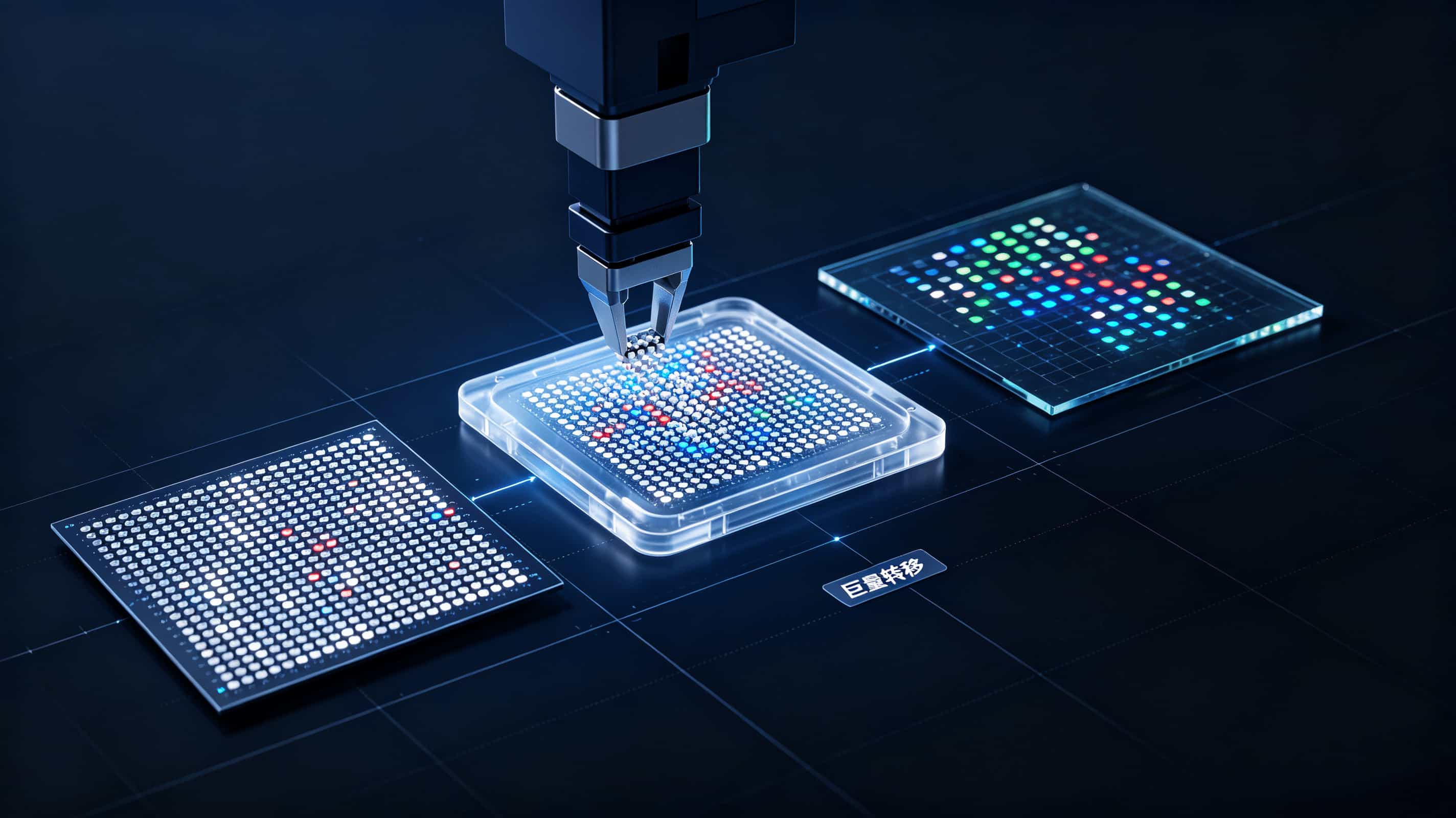
Someone made an analogy, like moving 24 million grass plants from a football field to another field without disorder or collapse.
This job sounds overwhelming.
Fortunately, technology has been constantly advancing.By the end of last year, the best ones in the industry were able to achieve 10 million pieces per hour, with a yield rate exceeding 99.99%.
what do you mean? Out of ten thousand, only one is bad. Five years ago, I couldn't even imagine this number.
3、 Cost is the real obstacle
The technical issues are slowly being gnawed on, but the cost is still painful.
Now a Micro LED screen is more than twice as expensive as OLED screens of the same size.Where is it expensive? It's not material, it's tinkering.The yield has increased, but the efficiency is not high enough, and the scrapped chips have to be included in the cost.
The good news is that prices are also falling quickly. The price of a 6-inch RGB chip has been reduced by more than half in the past two years. At the beginning of this year, I saw a report from a research institution stating that unit costs had decreased by 40% compared to 2023.
To put it simply, the current situation of Micro LEDs is like when OLED was just starting ten years ago, things were really good, just really expensive. But as the quantity increases, the cost will definitely decrease.
A research institution predicts that by 2032, the market size of Micro LED displays will reach 6.8 billion US dollars. It doesn't look big today,But that growth curve is very steep.
4、 What does it have to do with you now?
If you are making monitors, laptops, advertising machines, or supplying terminal devices to shopping malls, I have a heart wrenching question for you:Can the technology solution you are currently using still be used in three years?
At this year's CES, a certain company showcased a 108 inch Micro LED screen with seamless splicing, 4K, and high brightness enough to be placed outdoors. Some companies are testing smart retail storefronts with transparent Micro LEDs. These are not PPTs, they are samples that can already run.
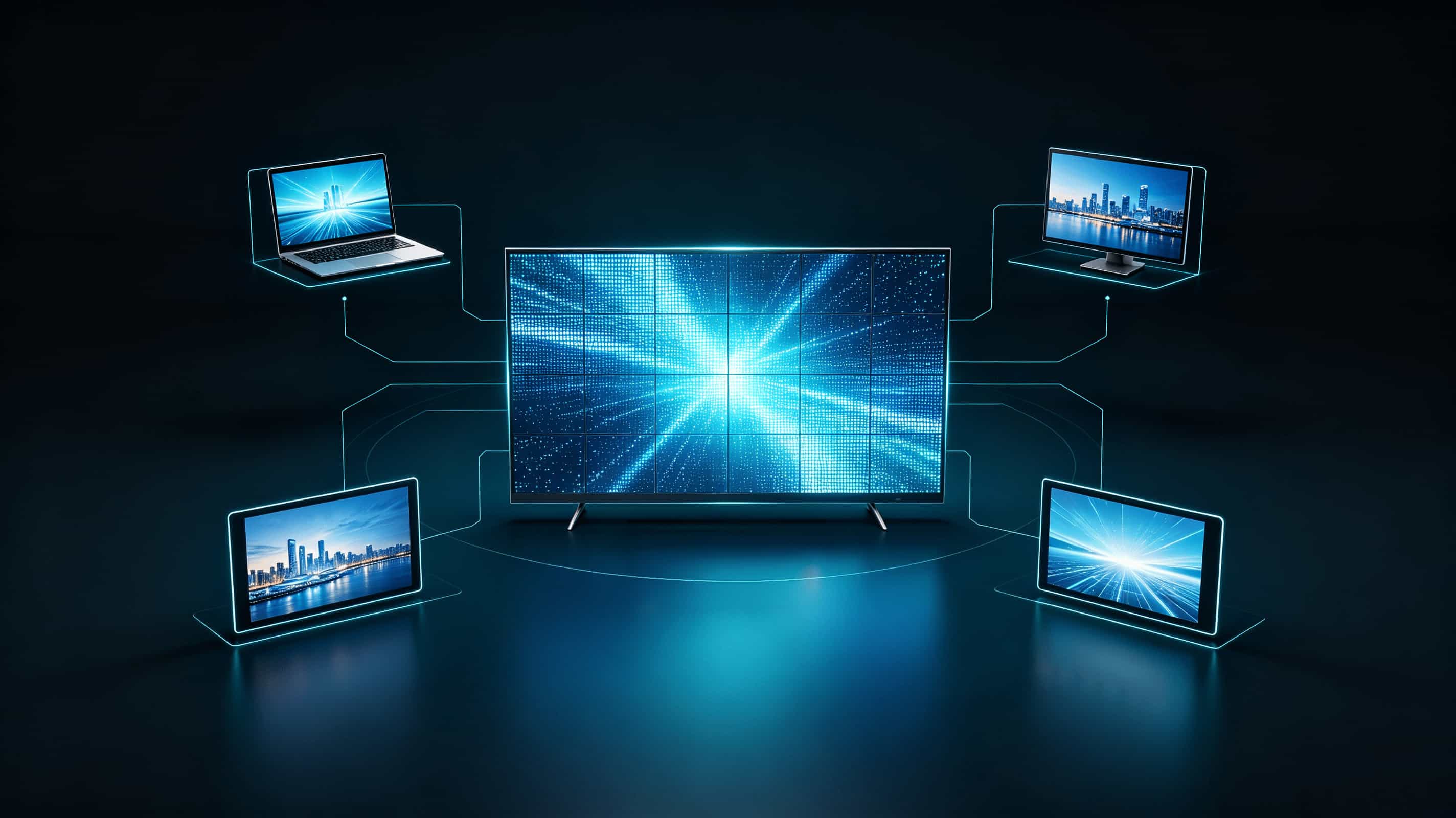
In 2026, the industry generally regards it as a key milestone for the large-scale production of glass based Micro LEDs.
What does that mean? Starting this year, this thing is no longer available in the laboratory,It's really going to be pushed onto the production line.
You start to understand and layout now, and when the cost drops to a reasonable range, you will be the first batch to be able to eat meat. Wait until the market is ripe before following, even the soup may not be salvaged.
5、 Choose a supplier, don't just look at parameters
The technical roadmap for Micro LED has not been fully determined yet. Some use chip level soldering, while others use thin film transfer, each with its own advantages and disadvantages. The brightness and viewing angle required for making an advertising machine are not the same as the requirements for making a laptop screen.
So when choosing suppliers, don't just look at whose parameters are beautiful.
What you're looking for is someone who can sit down and argue with you clearly.It's not like throwing the PPT and saying, 'Our plan is good.'. But I'm asking you: Where do you put your product for? Is it more during the day or at night? Is it too dark or too heavy that customers curse too much?
Pushing solutions without clarifying these issues is no different from prescribing medication with your eyes closed.
A truly reliable partner,I'm not forcing you with ready-made solutions,But instead, we will work together to break down the requirements and match them with the appropriate technical path.
To be honest, the technology will iterate, but the requirements will not disappear.
What your customers never want is Micro LED itself,But rather a brighter, clearer, and more energy-efficient screen.
Whoever puts these "more" characters into place first will reap the dividends first.
To put the word 'more' into practice, it requires not only technology, but also a partner willing to accompany you from requirement discussion to implementation.
If you are interested in the application of Micro LED in products, please feel free to chat anytime. We provide customized services from requirement analysis to solution implementation, regardless of scale, based solely on requirements.
#Micro LED # Mass Transfer # Display Technology # Mass Production # LCD Screen # 4K # Display # Advertising Machine # Terminal Equipment # Supplier 66